What Lies Beneath: How Parkview's Underground Infrastructure Quietly Determines Neighborhood Value
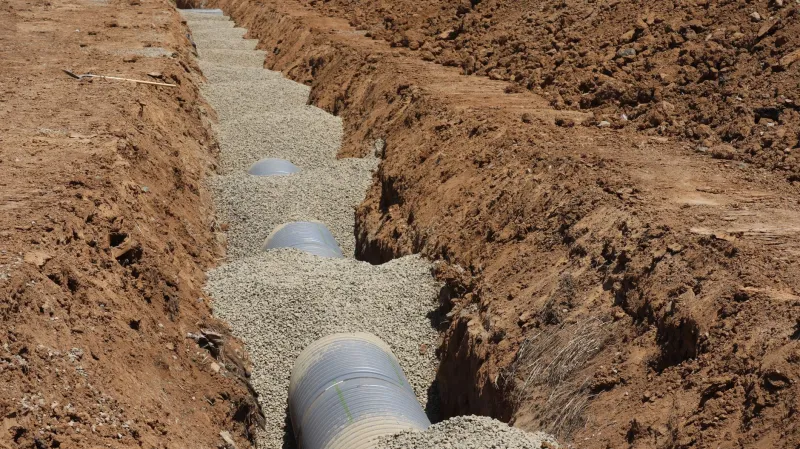
Most homebuyers approach a property search with a clear mental checklist: square footage, kitchen finishes, school ratings, walkability scores. What rarely appears on that list is the condition of the infrastructure buried six feet below the street. Yet in Parkview, as in virtually every established American community, the age and quality of underground utilities, sewer lines, stormwater systems, and transit corridors can determine whether a home is a sound long-term investment or a financial liability dressed up in fresh paint.
This is not a glamorous subject. It does not photograph well for listing presentations. But for buyers willing to look past the surface, understanding Parkview's subterranean landscape offers a meaningful competitive advantage—and a more accurate picture of what ownership will actually cost.
The Infrastructure Divide Within Parkview
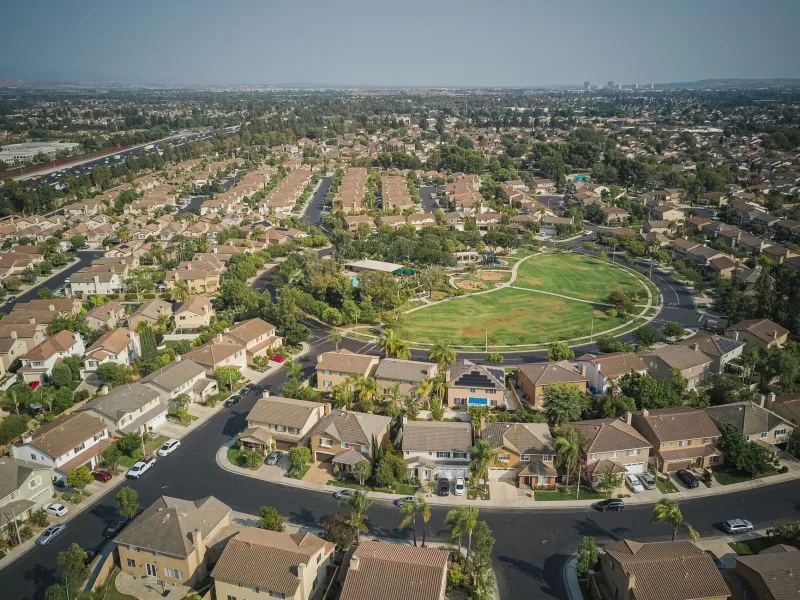
Parkview is not a uniform community when it comes to underground systems. Like most neighborhoods that developed across different decades, it carries a layered history of construction standards, municipal investment cycles, and deferred maintenance. Broadly speaking, the community divides into two infrastructure categories: blocks and corridors that received significant utility upgrades during the past two decades, and older sections where original systems—some dating back fifty or more years—remain in place.
Neighborhoods closer to Parkview's more recently developed corridors tend to benefit from updated water mains, modern PVC sewer laterals, and underground electrical and telecommunications lines that reduce both service interruptions and long-term replacement risk. In these areas, buyers can reasonably expect lower incidence of water pressure problems, sewer backups, and the kind of emergency repair bills that can run well into five figures.
By contrast, sections of Parkview that were built out in the mid-twentieth century—and that have not been subject to targeted municipal reinvestment—may still rely on aging cast-iron water mains, clay tile sewer pipes, and overhead electrical infrastructure that was never transitioned underground. These conditions do not make a home uninhabitable. But they do alter the risk profile of ownership in ways that standard home inspections rarely capture.
What Standard Inspections Miss
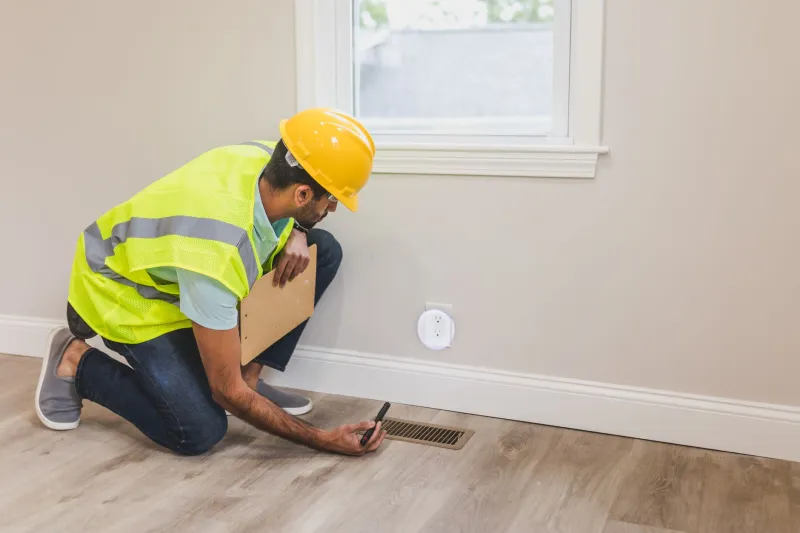
A licensed home inspector performing a conventional pre-purchase inspection in Parkview will assess the condition of visible plumbing inside the home, evaluate the electrical panel, and check for evidence of water intrusion. What a standard inspection will not include is a camera scope of the sewer lateral—the pipe connecting the home to the municipal sewer main beneath the street. This single omission is among the most consequential oversights a buyer can make.
Clay tile sewer laterals, which remain common in older Parkview properties, are susceptible to root intrusion, joint separation, and gradual collapse. Replacement costs for a full lateral typically range from $3,000 to $10,000 or more depending on pipe depth, length, and access conditions. In properties where mature trees line the parkway—a feature that contributes to aesthetic appeal and often commands a listing premium—root intrusion risk is particularly elevated.
Buyers are well-advised to request, or independently commission, a sewer scope inspection as a condition of any offer on an older Parkview property. The cost is modest—typically $150 to $300—and the information it yields can be decisive in negotiations or, in some cases, in the decision to walk away entirely.
Underground Transit Infrastructure and Its Dual Effect
Parkview's relationship with transit infrastructure below grade is more complex than a simple positive-or-negative calculation. Proximity to underground transit corridors—whether commuter rail tunnels, rapid transit lines, or underground utility easements—generates both benefits and drawbacks that vary considerably depending on a property's exact position relative to those systems.
Homes situated within convenient walking distance of underground transit access points tend to command measurable premiums in Parkview's market. Reduced commute friction, lower transportation costs, and the lifestyle convenience of car-independent mobility all contribute to sustained buyer demand. In competitive segments of the market, transit proximity can add a meaningful percentage to a property's assessed value compared with otherwise comparable homes located further from access.
The calculus shifts, however, for properties situated directly above or immediately adjacent to active transit infrastructure. Vibration transmission through soil and building foundations—particularly in older structures with less flexible construction—can produce audible and tactile disturbances that affect quality of life. Ground-borne vibration from rail systems is a documented phenomenon in American cities, and while modern transit construction incorporates vibration-damping technology, older corridors offer no such mitigation.
Buyers considering properties along Parkview's transit corridors should conduct site visits at multiple times of day, paying specific attention to low-frequency sound and structural vibration during peak service hours. A property that feels perfectly quiet during a midday showing may present differently during a weekday morning commute.
Stormwater Systems and the Flood Risk Connection
Parkview's stormwater infrastructure represents another underground variable with direct implications for property value and insurability. Neighborhoods served by combined sewer systems—where stormwater and sanitary sewage share the same underground network—are particularly vulnerable during high-precipitation events. When capacity is exceeded, these systems can back up into residential basements, creating health hazards and insurance claims that affect both individual properties and neighborhood-wide desirability over time.
Municipal investment in stormwater separation and green infrastructure has improved conditions in several Parkview corridors over the past decade. However, progress has been uneven, and buyers should verify whether a specific address falls within an upgraded drainage basin or one still awaiting infrastructure improvements. FEMA flood map designations provide a starting point, but they do not capture the more localized risk associated with aging combined sewer capacity.
Insurance premiums in flood-adjacent or drainage-compromised areas have risen substantially across the United States in recent years, and Parkview is not immune to that trend. Buyers who do not account for flood and sewer backup insurance costs in their ownership projections may find their monthly carrying costs materially higher than initial estimates suggested.
Utility Undergrounding and Aesthetic Premium
On the more favorable end of the infrastructure spectrum, blocks within Parkview that have undergone utility undergrounding programs—where overhead electrical and telecommunications lines have been relocated below grade—consistently demonstrate stronger aesthetic appeal and, by extension, stronger buyer demand. The visual difference between a street lined with utility poles and one without them is substantial, and it influences the first impression that shapes a buyer's emotional response to a neighborhood.
Underground utilities also reduce vulnerability to outages caused by severe weather, a factor that has grown increasingly relevant as climate-related storm events have become more frequent across the Midwest and broader US. For buyers who work from home or have household members with medical equipment dependencies, utility reliability is not a peripheral concern—it is a core quality-of-life variable.
Due Diligence Recommendations for Parkview Buyers
Given the complexity of Parkview's underground infrastructure landscape, buyers benefit from a more rigorous due diligence approach than the standard inspection alone provides. Specific steps worth incorporating into any purchase process include requesting municipal records on water main age and replacement history for the relevant block, commissioning an independent sewer scope inspection, reviewing FEMA flood maps alongside local stormwater utility records, and consulting with a licensed plumber about the age and material composition of the service lateral before finalizing any offer.
These steps require modest additional investment of time and money. Against the potential cost of a failed sewer lateral, a flooded basement, or a vibration problem that proves impossible to remediate, that investment is straightforward to justify.
Parkview's surface-level appeal is genuine and well-documented. Its underground realities are equally genuine, and considerably less discussed. Buyers who take the time to understand both will be better positioned to make decisions that hold up not just at closing, but across the full arc of ownership.