Paws, Parks, and Property Values: How Pet-Friendly Amenities Are Moving the Needle in Parkview's Housing Market
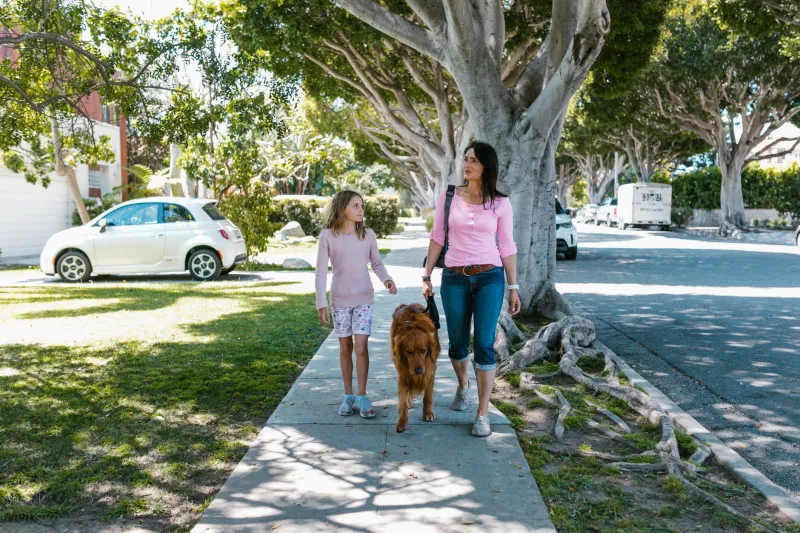
For a growing segment of Parkview homebuyers, the question is no longer simply whether a property has a fenced yard. The inquiry has expanded considerably: Is there a dog park within walking distance? How close is the nearest veterinary clinic? Does the homeowners association permit multiple pets, and are there breed restrictions that might complicate ownership? These are not peripheral concerns. For millions of American households — roughly 70 percent of which own at least one pet, according to the American Pet Products Association — the answers to these questions carry real weight at the negotiating table.
In Parkview, where neighborhood distinctions are already pronounced and buyer preferences are closely tracked, the pet-friendliness of a given area has emerged as a measurable variable in property demand. Understanding where that variable carries the most influence, and how it translates into tangible value, is worth examining carefully.
The Amenity Landscape Across Parkview's Neighborhoods
Not all of Parkview's neighborhoods offer the same experience for pet-owning residents, and those differences are more consequential than they might initially appear. Neighborhoods with dedicated off-leash dog parks — where dogs can socialize freely without the constraints of a leash — tend to draw disproportionate attention from buyers who own dogs. These spaces function almost like a community anchor for that demographic, creating regular foot traffic, fostering neighbor relationships, and signaling that the broader community is accommodating of animal ownership.
Several of Parkview's more established residential corridors benefit from proximity to mixed-use areas where veterinary clinics, pet supply retailers, and grooming services have clustered. This concentration of pet-related services reduces the friction of ownership in meaningful ways. When a dog requires an emergency vet visit at an inconvenient hour, proximity to a full-service animal hospital is not a luxury — it is a practical necessity. Buyers who have experienced the stress of a long drive during a pet health emergency tend to factor this into their neighborhood selection with considerable seriousness.
Newer developments within Parkview have, in some cases, been designed with pet ownership explicitly in mind. Amenity packages in certain planned communities now include pet washing stations, designated waste disposal infrastructure, and walking paths with dedicated pet-relief areas. These features, once considered niche additions, have become standard talking points in listing presentations for the right buyer profile.
HOA Policies and the Hidden Calculus of Pet Restrictions
Beyond physical amenities, the policy environment within a given neighborhood can either attract or repel pet-owning buyers. Homeowners association rules governing pets vary considerably across Parkview, and navigating them requires careful due diligence.
Some associations impose breed restrictions that effectively bar ownership of certain dogs — a policy that, regardless of its stated rationale, narrows the pool of prospective buyers for any home within that jurisdiction. Others cap the number of pets per household, which may not concern a single-dog household but will immediately disqualify a buyer with three cats or two large-breed dogs. Weight limits, leash requirements within common areas, and mandatory pet registration are additional layers of policy that buyers must assess before committing.
From a market perspective, neighborhoods with more permissive pet policies tend to attract a broader buyer pool among pet owners, which supports demand. Conversely, communities with restrictive policies may inadvertently reduce their own resale appeal among a demographic that now represents a majority of American households. Sellers in those areas are not necessarily at a disadvantage, but they are competing for a narrower slice of the buyer market.
Does Pet-Friendly Infrastructure Actually Affect Home Values?
This is the question that matters most to current homeowners and prospective investors: does proximity to pet-friendly amenities translate into measurable price appreciation?
The evidence, while not uniform, suggests that it can — under the right conditions. Research from the National Association of Realtors and independent real estate analytics firms has found that proximity to dog parks correlates with modest but statistically meaningful price premiums in residential neighborhoods, particularly in markets where pet ownership rates are high and buyer competition is strong. The effect is not as dramatic as school district quality or commute convenience, but it is not negligible either.
In Parkview's context, the more compelling argument may be about buyer velocity rather than raw price. A home in a neighborhood with strong pet amenities may spend fewer days on the market simply because it appeals to a wider and more motivated segment of buyers. In a market where time-on-market is closely watched as an indicator of neighborhood health, that distinction matters.
For sellers considering whether to invest in pet-centric features before listing — a fenced yard, a pet door, or a landscaped side run for dogs — the calculus is situational. These improvements are unlikely to generate a dramatic return on their own, but they remove friction for pet-owning buyers and can make a property feel move-in ready for a demographic that may otherwise hesitate. In a competitive listing environment, eliminating objections is its own form of value creation.
Which Parkview Neighborhoods Deserve Attention from Pet Owners?
For buyers prioritizing pet-friendly living, the evaluation process should be methodical. Begin with the physical infrastructure: identify which neighborhoods have off-leash parks, walking trails, and veterinary services within a reasonable radius. Cross-reference that with HOA documentation, paying particular attention to breed, weight, and quantity restrictions. Finally, consider the density and character of the neighborhood itself — quieter, lower-traffic streets are meaningfully safer for daily dog walks than high-volume corridors, regardless of how appealing the listing photos appear.
Parkview's older, tree-lined residential areas often score well on walkability and green space, even if their formal pet amenities are less developed than newer communities. Conversely, newer planned developments may offer more purpose-built pet infrastructure but with HOA frameworks that are still evolving — and in some cases, still subject to revision.
A Buyer Demographic That Warrants Serious Attention
The broader takeaway for sellers, developers, and community planners in Parkview is that pet owners are not a niche buyer category. They are the majority of American households, and their priorities deserve the same analytical rigor applied to school ratings, commute times, or proximity to retail. As that demographic continues to grow — driven in part by younger buyers who are delaying parenthood but acquiring pets at high rates — the infrastructure that supports pet ownership will carry increasing influence over neighborhood desirability.
For buyers, the message is equally clear: the pet-friendliness of a neighborhood is worth investigating with the same diligence applied to any other material factor. The right questions asked before closing can make a meaningful difference in the quality of daily life for every member of the household — regardless of how many legs they have.