What Your Ears Are Telling You: A Block-by-Block Acoustic Portrait of Parkview's Neighborhoods
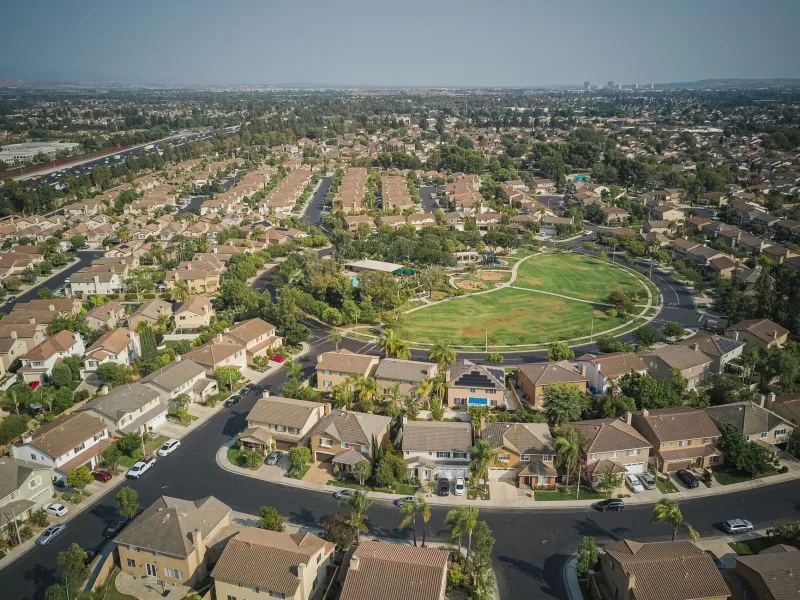
Most buyers arrive at an open house armed with a checklist. Square footage. Lot size. Proximity to schools. Commute time. They measure countertops, inspect crawl spaces, and photograph ceiling fans. What very few do—at least not systematically—is simply stand still and listen.
Noise is among the most persistently overlooked variables in residential real estate, and in a community as diverse in character as Parkview, acoustic conditions vary dramatically from one block to the next. A home priced identically to one three streets away may sit beneath a flight corridor, back up against a freight rail easement, or front a commercial strip that transforms into a nightlife venue after 10 p.m. None of these conditions will appear in the listing description. All of them will shape daily life in ways that no square footage figure can offset.
This guide takes a deliberate look at Parkview's acoustic landscape—what generates it, how it varies by neighborhood, and why buyers who factor it into their decision-making tend to report significantly higher long-term satisfaction with their purchase.
Why Sound Matters More Than Most Buyers Realize
Research consistently links chronic noise exposure to measurable health consequences—elevated cortisol levels, disrupted sleep architecture, reduced concentration, and in persistent cases, cardiovascular stress. Beyond physiology, noise shapes the subjective experience of a home in ways that are difficult to quantify but impossible to ignore once you're living inside them.
The practical real estate implications are equally significant. Studies from urban planning and appraisal literature indicate that properties situated along high-traffic arterials can carry value discounts ranging from three to ten percent compared to otherwise comparable homes on quieter side streets. In a market like Parkview's, where median prices have climbed steadily over recent years, that differential represents a meaningful sum—one that may or may not be reflected in the listing price depending on how the seller has positioned the property.
For buyers, understanding Parkview's noise landscape is not about avoiding entire neighborhoods. It is about knowing which specific blocks within a neighborhood carry acoustic trade-offs, and then deciding deliberately whether those trade-offs are acceptable given the compensating factors—price, access, lot size, or architectural character.
Arterial Traffic: Parkview's Most Pervasive Acoustic Source
The most widespread noise source across Parkview is also the most predictable: vehicular traffic on the community's primary arterial corridors. Roads that carry commuter volume during morning and evening peak hours generate a sustained baseline of sound that diminishes significantly just one or two blocks off the main thoroughfare.
Residents who have moved from Parkview's interior side streets to arterial-adjacent properties frequently describe the adjustment period in similar terms. The sound is not dramatic—no single event is jarring—but it is constant. It fills the background of a backyard conversation. It enters through bedroom windows on warm nights when air conditioning is not running. It becomes, over time, a feature of the home itself rather than something external to it.
The practical implication for buyers: when evaluating properties within two blocks of Parkview's major corridors, a site visit during peak traffic hours is not optional. An evening visit on a quiet Tuesday will not reveal what a Friday morning commute sounds like from the master bedroom.
Transit Infrastructure: Rail, Bus, and the Sounds They Leave Behind
Parkview's proximity to regional transit infrastructure is frequently cited as one of its most marketable attributes, and for many residents, it genuinely is. But transit access and transit noise are two distinct considerations that listings rarely separate clearly.
Properties situated near rail lines—whether commuter rail or light rail—experience an acoustic profile that differs from traffic noise in an important way: it is episodic rather than continuous. The sound arrives, peaks sharply, and recedes. For some residents, this intermittent pattern is easier to habituate to than the constant hum of arterial traffic. For others, particularly light sleepers or those who work from home, the sudden intrusion of a passing train is more disruptive than a steady ambient baseline.
Bus routes introduce a different dynamic. Major bus corridors generate a pattern of recurring diesel sound and, in some cases, the mechanical noise of buses idling at stops. Buyers evaluating properties along Parkview's bus network should note whether nearby stops are terminus points, where extended idling is more common.
The critical variable in all transit-adjacent purchases is the direction and orientation of the home relative to the infrastructure. A property with its primary living spaces and bedrooms facing away from a rail line will experience a meaningfully different acoustic environment than one oriented directly toward it, even at identical distances.
Entertainment Districts and Late-Night Commercial Activity
Parkview's commercial corridors add a temporal dimension to the noise question that purely residential blocks do not face. Properties within earshot of restaurants, bars, live music venues, or late-night retail experience an acoustic pattern that is relatively quiet during daytime hours and intensifies precisely when most residents most want quiet: evenings and weekends.
This mismatch between commercial activity cycles and residential rest patterns is one of the most commonly cited acoustic surprises among Parkview residents interviewed for this piece. Several noted that they had visited prospective homes during weekday afternoons, found the environment entirely acceptable, and only discovered the weekend nightlife dimension after moving in.
The lesson is straightforward but often skipped: any property within three or four blocks of Parkview's entertainment-adjacent commercial zones warrants a visit on a Friday or Saturday evening between 9 p.m. and midnight. That visit will provide a far more accurate acoustic portrait than any number of daytime walkthroughs.
How to Conduct Your Own Acoustic Due Diligence
Formal noise mapping tools exist—the EPA maintains resources, and some municipal planning departments publish environmental noise assessments—but for most buyers, a structured personal assessment will yield the most relevant information.
Several practical steps are worth building into the evaluation process:
Visit at multiple times. A single visit captures a single moment. Meaningful acoustic assessment requires at least three visits: weekday morning, weekday evening, and weekend night.
Open windows and stand outside. Homes with good insulation can mask exterior noise conditions significantly during a standard walkthrough. Step into the backyard. Open bedroom windows. Spend ten minutes simply listening.
Talk to neighbors. Adjacent residents have lived through the full acoustic cycle of the property and its block. A brief conversation will surface information that no amount of personal observation can replicate.
Use a decibel meter app. Free smartphone applications provide rough but directionally useful readings. While not calibrated instruments, they can help buyers compare acoustic conditions across multiple properties in a systematic way.
Ask the seller's agent directly. Questions about noise sources near the property are entirely appropriate and should be asked explicitly. The answers—and the manner in which they are given—are informative in themselves.
Listening as a Buyer's Competitive Advantage
In a market where buyers compete on price, contingencies, and closing timelines, acoustic due diligence represents an area where thoroughness pays dividends that are genuinely difficult to replicate after closing. A property that checks every visible box but fails the sound test will exact its cost in daily quality of life, and potentially in resale value, for as long as it is owned.
Conversely, buyers who understand Parkview's acoustic landscape well enough to identify blocks where noise concerns are overstated—or where conditions have improved due to infrastructure changes or commercial turnover—may find opportunities that less attentive buyers have passed over.
Parkview rewards careful attention. The buyers who listen, in every sense of the word, tend to find the places that suit them best.