Hidden Defects, Real Costs: What Parkview Buyers Consistently Overlook During Home Inspections
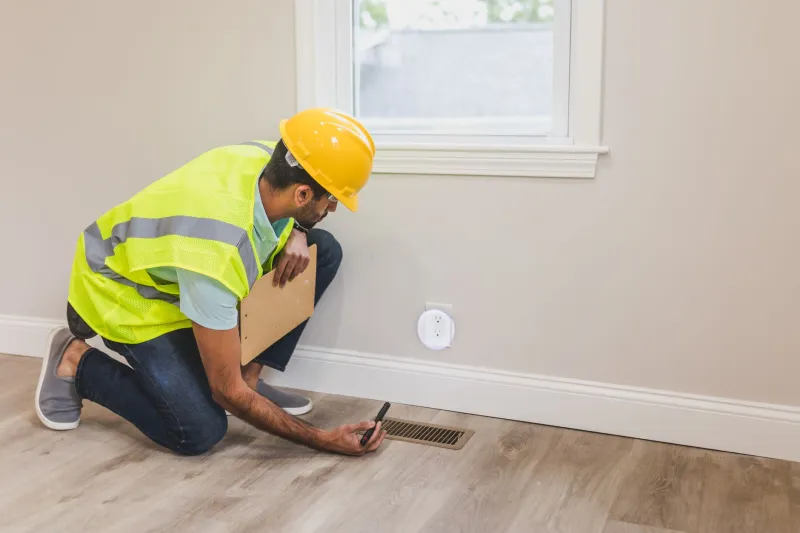
For many Parkview homebuyers, the inspection period feels like a formality — a procedural step between an accepted offer and a closing date. That perception, however well-intentioned, has cost countless buyers thousands of dollars in repairs they never anticipated. The inspection window is, in reality, one of the most financially consequential moments in the entire transaction. What a buyer discovers — or fails to discover — during those days can define the first several years of homeownership.
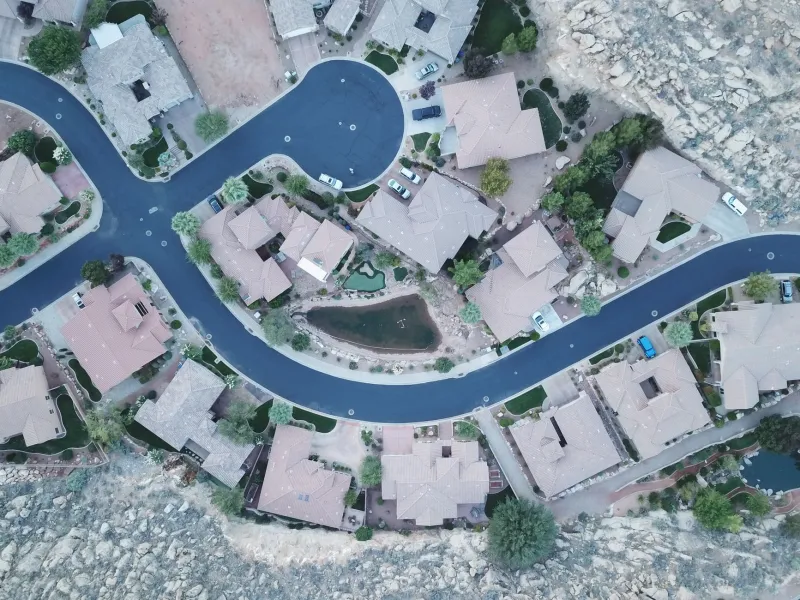
Parkview's housing stock is notably varied. Mature tree-lined blocks sit alongside newer infill developments. Mid-century ranches share ZIP codes with recently renovated colonials. That diversity creates a wide spectrum of structural and mechanical risk, and it means that a generalist inspector without familiarity with Parkview's specific building history may miss precisely the issues most likely to surface.
The Drainage Problem Nobody Talks About
Of all the issues that recur in post-purchase complaints from Parkview homeowners, subsurface drainage failures rank among the most expensive and the most preventable. Many of Parkview's older neighborhoods were developed before current grading and stormwater standards were in place. Lots that appear dry during a standard walkthrough can reveal significant water intrusion patterns once the rainy season arrives.
A buyer who purchased a well-maintained craftsman in one of Parkview's established residential corridors discovered this the hard way. The home had been recently painted and staged with care. The basement, however, told a different story after the first significant rainfall — efflorescence along the foundation walls, a sump pump that ran continuously, and a crawl space with moisture readings that should have triggered concern during inspection. The remediation cost exceeded $14,000.
Buyers should ask their inspector to assess not just visible moisture but also the grading of the lot, the condition of downspout extensions, and any evidence of historic water intrusion behind finished walls.
Electrical Panels and the Age Problem
Parkview's residential neighborhoods include a substantial number of homes built between the 1950s and 1980s — a period when electrical standards were considerably less stringent than they are today. Certain panel brands common to that era have documented failure rates that insurers now flag as liabilities. Federal Pacific Electric and Zinsco panels, in particular, appear with enough regularity in Parkview's older housing stock that buyers should treat their presence as a significant negotiating point, not a minor footnote.
Beyond panel brand, buyers should direct inspectors to examine the condition of wiring in attic spaces, the presence of aluminum wiring in branch circuits, and whether any DIY additions have been made to the electrical system without permits. Unpermitted work is more common than buyers expect and can complicate both insurance coverage and future resale.
Roof Age Versus Roof Condition: An Important Distinction
A disclosure that states "roof replaced ten years ago" is not, by itself, reassuring. The quality of the installation, the ventilation beneath the roofline, and whether flashing was properly sealed around chimneys and dormers all determine how much useful life remains. Parkview's climate places particular stress on roofing materials during temperature swings, and inadequate attic ventilation accelerates deterioration from the inside out.
Buyers frequently accept a visual inspection of the roof from ground level as sufficient. It is not. A qualified inspector should physically access the roof surface and the attic space, examining decking for soft spots, checking for signs of prior leaks at the ridge and valleys, and assessing whether insulation has been compromised by moisture. The difference between a roof with five years of life remaining and one with fifteen is not always visible from the street.
HVAC Systems and the Deferred Maintenance Trap
Heating and cooling systems are among the most commonly deferred maintenance items in homes that have been prepared for sale. A seller may service a unit just enough to ensure it runs during an inspection without disclosing that the equipment is operating near the end of its useful life. Furnaces and central air units that are fifteen years or older should be evaluated not just for current function but for remaining serviceability.
Buyers should request documentation of any recent HVAC servicing and ask the inspector to note the age of all mechanical equipment. In some Parkview neighborhoods where older homes have been cosmetically updated but not mechanically upgraded, it is not unusual to find a recently renovated kitchen paired with a furnace that predates the renovation by two decades.
Foundation Concerns Specific to Parkview's Terrain
Certain pockets of Parkview sit on soil conditions that are less stable than they appear. Expansive clay soils, in particular, are present in portions of the community and can cause foundation movement over time as moisture levels fluctuate seasonally. Stair-step cracking in brick exteriors, doors that stick or no longer close flush, and uneven floors are among the visible indicators that warrant closer examination.
A standard inspection will note these symptoms, but buyers dealing with any of these signs should strongly consider commissioning a structural engineer's assessment in addition to the general inspection. The cost of that secondary evaluation — typically a few hundred dollars — is negligible compared to the cost of underpinning or pier installation if foundation issues are left unaddressed.
Choosing the Right Inspector for Parkview Properties
Not all licensed inspectors bring the same depth of knowledge to Parkview's housing stock. Buyers are well-served by seeking out inspectors with demonstrated experience in the specific age range and construction type of the home they are purchasing. Asking for sample reports, checking references from past Parkview transactions, and verifying membership in professional organizations such as the American Society of Home Inspectors (ASHI) or InterNACHI are reasonable starting points.
It is also worth noting that the inspection contingency period is an opportunity to negotiate. If an inspector identifies a failing water heater, outdated electrical panel, or drainage concern, buyers have legitimate grounds to request repairs, a price reduction, or a closing credit. Many buyers, anxious not to lose a property they have become attached to, accept inspection findings without exercising this leverage. That instinct is understandable — and frequently costly.
The Inspection as Investment, Not Inconvenience
The few hundred dollars spent on a comprehensive home inspection in Parkview should be understood as one of the most efficient expenditures in the entire purchasing process. The alternative — closing on a property with unidentified structural, mechanical, or moisture-related deficiencies — routinely produces repair bills that dwarf the inspection fee many times over.
Parkview's market has remained competitive enough that buyers sometimes feel pressure to waive or abbreviate the inspection process in order to strengthen an offer. That decision deserves careful consideration. A home that appears move-in ready may carry concealed costs that alter the financial calculus of the purchase entirely. The inspection exists to surface those costs before the transaction closes — not after the keys have changed hands.