Coming Back Costs: When Parkview Buyers Revisit the Homes They Let Go
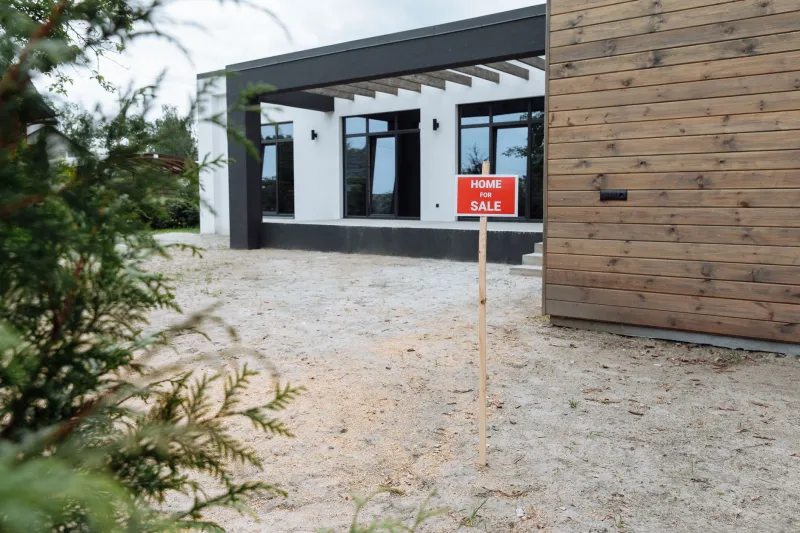
Every experienced agent in Parkview has a version of the same story. A buyer tours a home, likes it, hesitates — and then, three or four months later, calls asking whether it's still available. Sometimes it is. More often, it has closed, been relisted at a higher figure, or sold to someone who simply decided faster.
Local agents have begun calling these transactions 'regret returns,' and they are common enough that they deserve serious attention from anyone shopping in this neighborhood.
The Anatomy of a Second Showing
Repeat showings are not unusual in any market, but Parkview's inventory constraints amplify their consequences. With relatively few quality listings available at any given time, a property a buyer passes on in March may be under contract by April. When that same buyer returns in July, the comparable sales that occurred in the interim have often reset expectations upward.
Agents interviewed for this piece described a consistent pattern: the returning buyer is typically more decisive the second time. Having spent months comparing alternatives, they arrive with sharper criteria and greater urgency. That urgency, however, is aimed at a target that has changed price.
Why Hesitation Happens
The psychology is rarely about the house itself. Buyers most often pause over factors that are, in retrospect, resolvable: a dated bathroom, uncertainty about commute times, a general sense that something better might appear. Behavioral economists would recognize this as the paradox of choice — in a market with visible turnover, buyers assume the next listing will be an improvement on the current one.
Parkview's character compounds the problem. The neighborhood's housing stock is varied block to block, which makes side-by-side comparison genuinely difficult. A buyer can wait months and never see a closer match to the home they declined.
A Framework for Deciding
Rather than a blanket rule — always act, or always wait — consider three questions before walking away from a property that otherwise fits:
- Is the objection structural or cosmetic? Rooflines, lot configuration, and floor plans are expensive or impossible to change. Finishes are not.
- What does the alternative inventory actually look like? Ask your agent to show you the active and recently sold comps. If nothing close has appeared in six months, the market has answered your question.
- Can you afford the delay? In a neighborhood where prices have appreciated steadily, the cost of waiting is not zero. Model what a 4–6% price move means for your monthly payment.
When Sleeping on It Is the Right Call
None of this argues for buying in a panic. Hesitation is rational when the concern involves inspection red flags, financing uncertainty, or a genuine mismatch with long-term needs. The buyers who suffer regret returns are typically not the ones who walked away from a flawed house — they are the ones who walked away from an adequate one while waiting for a perfect listing that never materialized.
In Parkview's market, the most expensive decision is often not the offer you make. It is the one you postpone.