Two Speeds, One Community: Understanding Parkview's Uneven Neighborhood Transformation
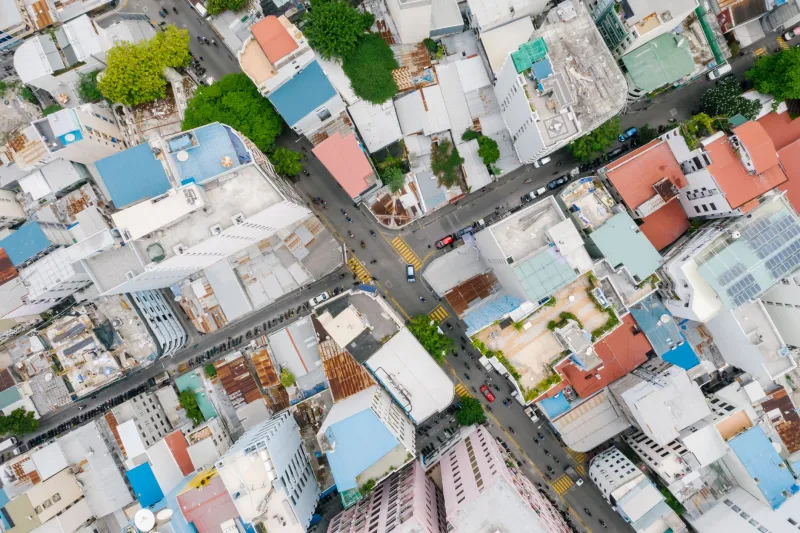
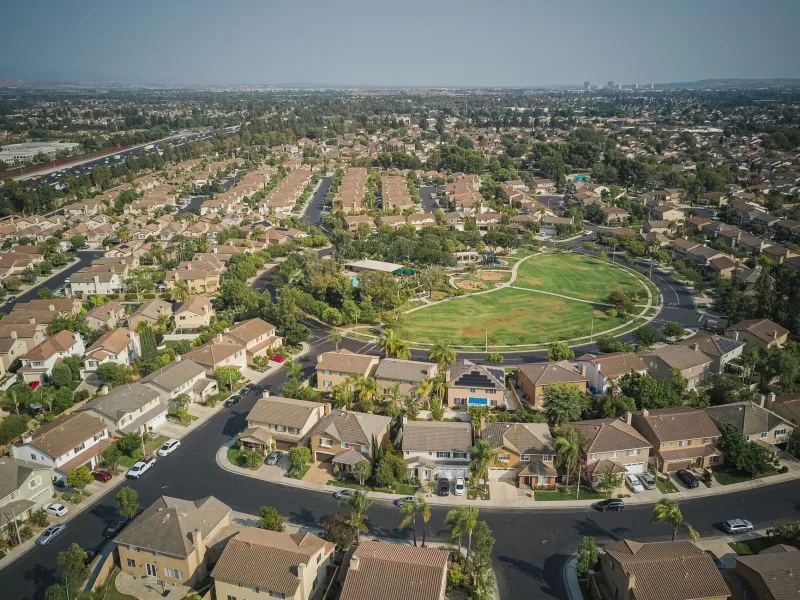
Parkview presents a curious contradiction. Stand on one block and you will find freshly renovated facades, newly opened coffee shops, and listing prices that have climbed steadily for the better part of a decade. Walk six blocks in almost any direction, and the atmosphere shifts—quieter streets, older signage, homes that have changed hands infrequently, and prices that seem, by comparison, almost anachronistic. Both areas sit within the same broader community. Both offer comparable access to parks, transit corridors, and school zones. Yet the market has treated them as though they exist in entirely different cities.
This is Parkview's defining paradox, and it is not accidental.
The Anatomy of a Neighborhood That Gets Noticed
Gentrification—a term that carries both economic and social weight—does not descend on neighborhoods randomly. In Parkview, the blocks that have experienced the most dramatic appreciation share a recognizable set of preconditions. Proximity to a commercial anchor, whether a renovated retail strip, a well-regarded restaurant cluster, or a transit stop with strong connectivity to employment centers, consistently appears as a leading factor. Visibility matters too. Neighborhoods that front arterial roads or sit adjacent to already-desirable zip codes tend to attract early-stage investor attention before organic buyer demand fully materializes.
What follows is a self-reinforcing cycle. A handful of speculative renovations attract listing attention. Elevated sale prices establish new comps. Those comps draw additional capital. Within a relatively short window, a neighborhood that was considered transitional becomes the subject of feature coverage, social media posts, and the kind of word-of-mouth that influences where buyers focus their search.
In Parkview, this pattern has played out with particular intensity in neighborhoods positioned along the community's primary north-south and east-west corridors. The infrastructure was already there. What changed was perception—and perception, in residential real estate, has a measurable dollar value.
Why Equally Strong Neighborhoods Stay Quiet
The more instructive question is not why certain Parkview neighborhoods have surged, but why others—neighborhoods that offer comparable housing stock, similar lot sizes, and equivalent access to amenities—have not followed the same trajectory.
Several forces conspire to keep strong neighborhoods underappreciated. The first is what behavioral economists call anchoring. Buyers who enter the Parkview market with a fixed mental map of desirable versus undesirable areas rarely revise that map without a significant external prompt. A neighborhood that was considered marginal ten years ago carries that reputation forward in the collective consciousness of the market, even when the underlying conditions have materially improved.
The second factor is infrastructure optics. Neighborhoods where public-facing improvements—repaved sidewalks, updated street lighting, refreshed parkways—have lagged behind tend to signal lower desirability to buyers conducting drive-through assessments, regardless of what the homes themselves look like. In Parkview, several underappreciated pockets suffer not from actual deficiency but from the appearance of it.
Third, and perhaps most consequential, is the role of listing exposure. Properties in neighborhoods that have not yet attracted investor-driven renovation activity tend to be listed by long-term owners who are less aggressive about staging, marketing, and pricing strategy. The result is a presentation gap that reinforces buyer hesitation and, by extension, suppresses the comps that would otherwise signal value to the broader market.
Demographic Shifts and the Slow Redistribution of Attention
Parkview's demographic composition has been shifting gradually but meaningfully over the past several years. An influx of younger professional households—many of them priced out of neighborhoods that have already completed their appreciation cycle—has begun to redistribute buyer interest in ways that the aggregate data does not yet fully capture.
These buyers are, by necessity, more flexible in their geographic preferences. They are also more likely to conduct independent research, to value walkability metrics and school performance data over neighborhood reputation alone, and to make purchase decisions based on projected value rather than established prestige. For Parkview's overlooked neighborhoods, this demographic cohort represents the most credible catalyst for the next wave of appreciation.
Certain blocks in Parkview's interior—areas that have historically received little attention from out-of-neighborhood buyers—are beginning to register early signals of this shift. Days on market are compressing, modestly but measurably. The ratio of list price to sale price is tightening. These are not dramatic movements, but in a market as data-sensitive as residential real estate, directional signals matter.
Reading the Investment Patterns
Institutional and semi-institutional investment activity offers another lens through which to evaluate which Parkview neighborhoods may be approaching an inflection point. When private equity-backed landlords or regional development groups begin acquiring properties in a given area—even at modest scale—it typically indicates that professional analysts have identified a value gap between current pricing and projected future demand.
Parkview has seen this pattern emerge in at least two neighborhoods that were, until recently, considered outside the primary appreciation corridor. The acquisitions have been quiet, largely below the threshold of public notice, but the pattern is consistent with pre-gentrification investment behavior documented in comparable urban communities across the country.
For individual buyers, the presence of early-stage institutional interest is worth monitoring. It does not guarantee that a neighborhood will follow the same trajectory as Parkview's more prominent appreciation stories. But it does suggest that the underlying fundamentals have attracted scrutiny from parties with sophisticated analytical resources.
The Permanent Outliers and What Makes Them Different
Not every underappreciated Parkview neighborhood is positioned for transformation. Some areas face structural constraints that are unlikely to resolve within a typical buyer's investment horizon. These include neighborhoods where commercial vacancy rates have remained persistently high, where infrastructure deficits are tied to long-term municipal budget constraints rather than simple deferred maintenance, or where the surrounding land use pattern creates friction that appreciation alone cannot overcome.
Distinguishing between a neighborhood that is temporarily overlooked and one that faces durable headwinds requires granular analysis—the kind that aggregate market reports rarely provide. Buyers and investors who take the time to examine block-level data, engage with local community organizations, and assess the pipeline of planned public investment are far better positioned to make that distinction than those relying on reputation alone.
What This Means for Buyers Entering the Market Now
For buyers approaching Parkview with an open geographic mandate, the current moment carries genuine opportunity. The neighborhoods that have already completed their appreciation cycle offer stability and established amenity infrastructure, but they also carry pricing that reflects those advantages in full. The neighborhoods that remain underappreciated offer a different proposition—one that requires more due diligence, more tolerance for present-day imperfection, and a longer time horizon, but one that also carries the potential for meaningful equity accumulation.
The Parkview paradox is, ultimately, a market inefficiency—and market inefficiencies, by definition, do not persist indefinitely. The question for buyers is not whether the gap between Parkview's recognized and unrecognized neighborhoods will eventually narrow, but whether they are positioned to act before that narrowing becomes the consensus view.
For those willing to look beyond the obvious, Parkview's quieter streets may represent the most compelling addresses in the entire community.